Mock tests are most useful when you treat them as a measuring tool, not just extra practice. Here is a simple routine that turns every CEnT-S mock test into a clear next step.
1. Start with one full mock test
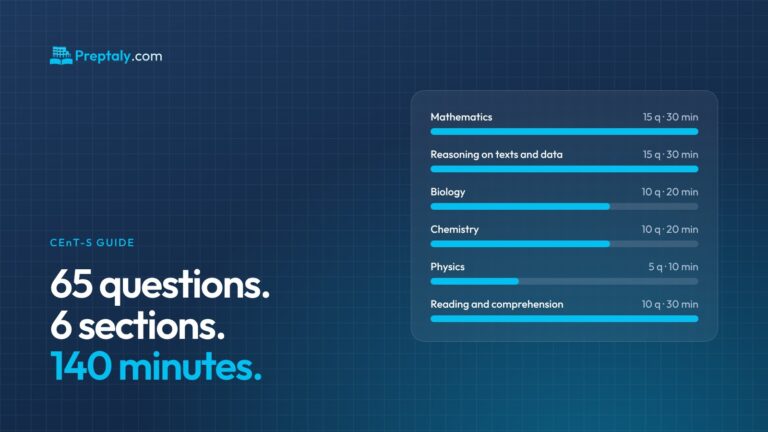
Before you plan anything, sit one complete CEnT-S mock test: all six sections, in order, with the real timers. It will feel hard, and that is the point. Your score and your section results show where you actually stand, not where you think you stand.
2. Review every mistake by topic
Go through each wrong and unanswered question. For each one, note:
- the subject, chapter and topic it belongs to,
- why you missed it: you didn’t know the method, you made a slip, or you ran out of time,
- what the explanation shows you should have done.
After one or two tests, patterns appear. Most of your lost points usually come from a handful of topics.
3. Practise your weakest topics
Spend most of your study time on those topics. Short practice sessions by chapter or topic, with an explanation after each answer, build the method faster than repeating full tests.
4. Take a full mock test every week or two
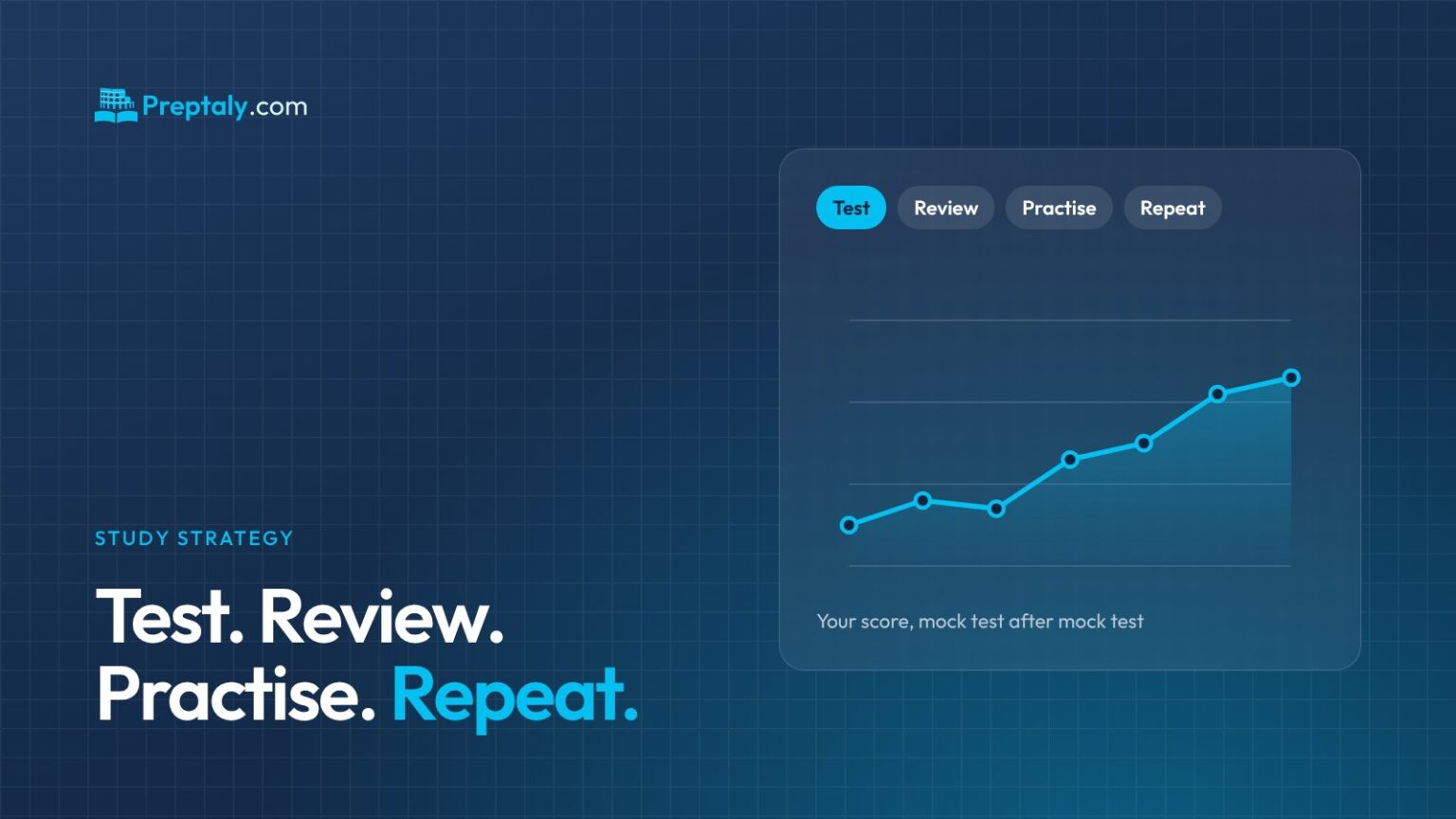
Every week or two, sit another full mock test under real timing. It shows whether your practice is moving your score, and it keeps you used to the section clock.
5. Practise the scoring, not just the questions
With −0.25 for a wrong answer, knowing when to answer and when to skip is a skill in its own right. A blind guess between five options is worth nothing on average, but ruling out one or two options makes guessing worth it. Use your mock tests to practise that decision, so it is automatic on test day.
A simple weekly plan
- Day 1: a full mock test under real timing.
- Day 2: review every mistake and list your weakest topics.
- Days 3 to 6: topic practice with explanations.
- Day 7: rest, or a short mixed review.
Adjust it to your schedule. What matters is the cycle: test, review, practise, repeat.